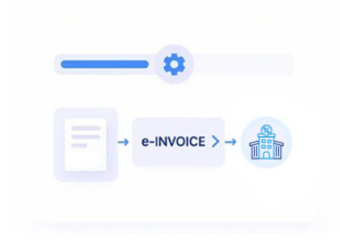


What EFreight ERP Enables For Digital Billing
How EFreight ERP Data Enters Norwegian E-Invoicing
- Identify Billable Freight Services: Locate completed shipments, logistics services, and customer transactions ready for invoice processing.
- Compile Shipment Information: Gather consignor, consignee, service, charge, tax, and reference details from relevant ERP records.
- Build Invoice Transaction Content: Organize freight and financial information into structured data suitable for electronic invoice preparation.
- Check Billing Information: Examine configured invoice fields for missing, inconsistent, or unsuitable values before processing.
- Prepare Electronic Invoice Submission: Route verified invoice information through the configured Norwegian e-invoicing workflow.
- Record Processing Activity: Capture available processing information and associate relevant outcomes with freight billing records.
What Advintek Adds To EFreight ERP
Advintek connects freight billing information with Norwegian electronic invoicing through structured data preparation, verification, submission, and processing visibility.
- Converts Freight Charges Into Invoice Data
- Reviews Shipment Billing Information
- Facilitates Norwegian Invoice Transmission
- Connects Results With Freight Records
Why EFreight ERP Fits Norwegian Invoicing
- Freight Billing Data: eFreight ERP provides freight transaction information that can form the foundation for structured electronic invoice preparation.
- Shipment Billing Context: Shipment records provide supporting details for understanding the services and charges represented on freight invoices.
- Operational Financial Alignment: Connecting logistics activity with billing information helps maintain continuity between completed services and customer invoicing.
- Freight Charge Visibility: Transportation-related charges can remain associated with their underlying operational records during invoice preparation.
- Norwegian Compliance Considerations: Advintek can configure electronic invoice workflows around applicable Norwegian requirements and relevant considerations associated with Skatteetaten.
- Invoice History Traceability: Linking processing information with freight billing records can help teams investigate invoice exceptions and review transaction history.
What EFreight ERP Integration Functions Can Deliver
Freight Charge Mapping
Converts relevant shipment and freight charge information into structured electronic invoice fields.
Billing Reference Validation
Checks configured shipment references, customer information, charges, and invoice details before processing.
Invoice Event Tracking
Connects electronic processing events with corresponding freight billing transactions for operational and financial review.
How EFreight ERP Supports Norwegian Requirements
EFreight ERP supplies freight and billing information, while Advintek structures applicable transaction data for Norwegian electronic invoicing workflows.
- Identifies Completed Freight Transactions
- Reviews Applicable Customer Billing Details
- Structures Shipment Information For Exchange
- Maintains Electronic Processing Evidence
Streamline Freight Billing Within Connected Workflows
Advintek connects EFreight ERP with structured Norwegian electronic invoicing for logistics and finance operations.
Create a clearer route from freight activity to customer billing.
Ready e-Invoice System
FAQs On EFreight ERP And Norwegian E-Invoicing
Which freight transactions can support electronic invoicing?
Applicable freight transactions can include completed shipments, logistics services, customer charges, and related billing records maintained within EFreight ERP. The exact transaction types depend on the ERP configuration. Advintek can structure relevant information for electronic invoice processing according to the organization’s configured workflow.
Can shipment details appear within the electronic invoice workflow?
Relevant shipment information can participate in invoice preparation when included in the integration design. Details such as shipment references, service information, charges, and customer data can provide useful context for constructing structured invoice content from completed freight transactions.
How are freight charges prepared for electronic invoices?
Applicable freight charges can be sourced from relevant EFreight ERP billing records and organized into structured invoice information. Advintek can map configured charge fields, examine required data, and prepare the resulting information for electronic processing through the Norwegian e-invoicing workflow.
Can EFreight ERP support different customer billing arrangements?
The integration can accommodate applicable billing scenarios supported by the organization’s eFreight ERP configuration. Relevant customer, shipment, service, and charge information can be processed according to established business rules, allowing electronic invoice workflows to reflect different freight billing arrangements where supported.
How can logistics teams review processed invoices?
Processing information can be associated with relevant freight billing and shipment records, giving logistics and finance teams additional transaction context. This can help users examine invoice activity, investigate exceptions, and compare electronic processing outcomes with the operational records maintained within EFreight ERP.