
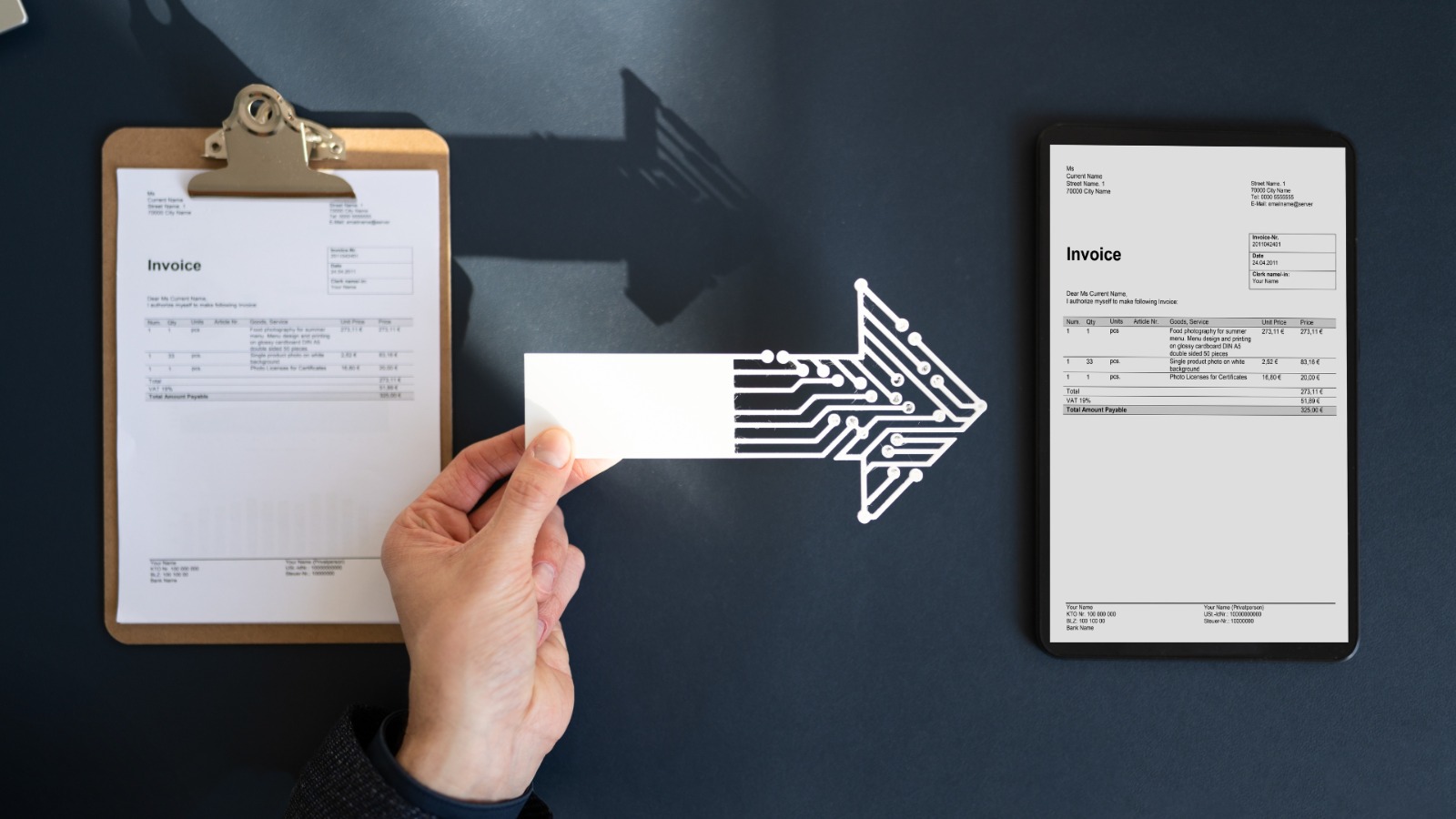



Invoice Factory Helps Simplify Structured Invoicing
Invoice Factory is Advintek’s Norway e-invoicing platform for businesses that need a centralized way to create, validate, transform, exchange, monitor, and store electronic invoices. It connects with ERP, CRM, accounting, billing, and custom applications, helping organizations manage structured invoice workflows without disrupting their existing business processes.
Effortless eInvoicing with Invoice Factory
Built with flexible invoicing capabilities, Invoice Factory helps businesses manage structured invoice information while supporting integration, automation, validation, electronic exchange, visibility, and secure recordkeeping.
- End-to-End Invoicing
- Scalable Architecture
- Real-Time Analytics
- Automated Error Reduction
- Multi-Language and Multi-Currency Support
Why Invoice Factory?
Invoice Factory provides a centralized layer for Norwegian e-invoicing, supporting invoice preparation, validation, structured formatting, exchange, monitoring, and archiving through EHF and Peppol workflows.
Comprehensive Invoicing Lifecycle Management
Invoice Factory brings the major stages of electronic invoicing into one connected platform, covering invoice preparation, data checks, formatting, processing, exchange, status monitoring, and record storage. This gives businesses greater visibility across invoice operations without depending on disconnected tools.
Seamless Integration with Existing Systems
Invoice Factory connects with ERP, CRM, accounting, billing, and custom applications so businesses can use their existing technology alongside structured electronic invoicing. Information can flow between systems through configured integrations, reducing duplicate handling and unnecessary changes to established business processes.
Regulatory Compliance Made Simple
Invoice Factory supports applicable Norwegian electronic invoicing workflows involving EHF and Peppol-based exchange. EHF is used for electronic invoicing to Norway's public sector, while Peppol infrastructure enables standardized electronic document exchange between connected participants.
Automation for Error Reduction and Speed
Invoice Factory automates important data-handling and validation activities throughout the invoice workflow. By reducing repetitive manual intervention, businesses can improve information consistency, identify configured data issues earlier, and process electronic invoices through a more controlled sequence.
Scalable for Businesses of All Sizes
Invoice Factory accommodates organizations with different transaction volumes, system environments, and operational structures. Its modular approach allows businesses to expand their electronic invoicing capabilities as requirements change while continuing to work with their established ERP and business applications.
Real-Time Analytics and Secure Archiving
Invoice Factory provides visibility into available invoice processing information while maintaining electronic documents and related records securely. Centralized access makes it easier for authorized teams to review invoice activity, locate historical documents, and maintain organized digital records.
OUR HAPPY CLIENTS
Join with thousand people who already trust us
Businesses use Invoice Factory to connect existing applications, simplify structured invoicing, and improve visibility, consistency, and operational control across diverse industries and workflows.
Core Capabilities of Invoice Factory
Invoice Factory combines invoice automation, structured data processing, system integration, electronic exchange, monitoring, and digital archiving to support modern Norwegian invoicing operations.
End-to-End Invoicing
Coordinates invoice preparation, validation, structured processing, electronic exchange, response handling, and record storage within one platform.
Seamless System Integration
Connects ERP, CRM, accounting, billing, and custom applications with structured electronic invoice workflows.
Regulatory Compliance
Supports applicable EHF workflows for structured electronic invoices exchanged within Norway's digital invoicing environment.
Automated Error Reduction
Facilitates configured electronic document exchange through Peppol-based networks and connected invoice processing environments.
Scalable Architecture
Checks configured invoice information to identify incomplete or inconsistent data before subsequent processing activities.
Real-Time Analytics
Provides visibility into available invoice statuses, processing activity, and electronic document workflow information.
Secure Archiving
Securely stores invoices while enabling easy retrieval for audits and record-keeping. Stores electronic invoices and related records securely while supporting organized retrieval when historical information is required.
Flexible Deployment
Provides deployment approaches suitable for different infrastructure, integration, security, and operational environments.
Multi-Language and Currency Support
Supports international invoicing scenarios involving multiple currencies and languages alongside Norwegian electronic invoice workflows.
Invoice Factory, Built for Compliance
Businesses preparing for structured electronic invoicing can use Invoice Factory to connect existing systems with applicable Norwegian EHF and Peppol-based invoice workflows.
Coverage
Coordinates preparation, validation, processing, exchange, and archiving.
01
Integration
Connects existing ERP, CRM, accounting, and billing systems.
02
Compliance
Supports applicable structured electronic invoices using EHF.
03
Automation
Supports configured electronic document exchange through Peppol.
04
Scalability
Reduces repetitive handling across invoice processing activities.
05
Insights
Provides visibility into available invoice processing statuses.
06
Archiving
Maintains secure electronic records for future retrieval.
07
Deployment
Supports cloud and on-premises implementation environments.
08
Insights & Innovations
Explore Our Blogs

This guide examines the practical requirements, implementation considerations, and technology options that Norwegian businesses face when evaluating ERP platforms. As digital adoption accelerates across Norway’s business environment, organisations comparing SAP Business One vs Odoo can assess their features, implementation requirements, and suitability for different business needs. Investing in structured workflows now can reduce disruption and […]

This guide examines the practical requirements, implementation considerations, and technology options that Norwegian businesses face in this area. As digital adoption accelerates across Norway’s business environment, organisations that invest in structured workflows now will face significantly lower disruption and operational cost compared with those relying on manual processes. The sections below cover core concepts, step-by-step […]

Norwegian enterprises evaluating a cloud ERP platform in 2026 face a market dominated by three global vendors: Workday, SAP, and Oracle. A detailed Workday vs SAP vs Oracle ERP comparison helps businesses understand the strengths, limitations, and capabilities of each platform before making a long-term investment. Each platform has genuine strengths and limitations, and the […]

Norwegian organisations running Workday Financial Management have access to an integrated procurement and expense management capability through Workday Procurement and Expenses, covering the full purchasing lifecycle from requisition to payment. Unlike standalone procurement tools that must exchange data with the financial system via integration files, Workday’s spend management capability shares the same supplier master, organisational […]

This guide examines the practical requirements, implementation considerations, and technology options that Norwegian businesses face, including Norway E-Invoicing Penalties and the importance of meeting applicable invoicing requirements. As digital adoption accelerates across Norway’s business environment, organisations that invest in structured workflows now can reduce compliance risks, avoid potential penalties, and limit disruption compared with those […]

This guide examines how Workday Payroll for Norway supports payroll processing, employee data management, tax calculations, and statutory reporting. As Norwegian organisations adopt digital HR and payroll systems, implementing structured payroll workflows can help reduce manual administration, improve payroll accuracy, and support compliance with Norwegian employment and tax requirements. The sections below cover Workday Payroll […]

FAQs Invoice Factory E-Invoicing Service Norway
1. What is Invoice Factory for Norwegian businesses?
Invoice Factory is Advintek’s Norway-focused e-invoicing platform that helps businesses create, validate, transform, exchange, monitor, and archive structured invoices. It connects with ERP, CRM, accounting, billing, and custom applications, allowing businesses to manage Norwegian e-invoicing workflows through their existing systems.
2. Does Invoice Factory support EHF and Peppol e-invoicing in Norway?
Yes. Invoice Factory supports applicable EHF invoicing workflows and configured Peppol-based document exchange. This helps businesses prepare structured invoices for Norwegian public-sector transactions while supporting standardized invoice exchange with connected recipients through the Peppol network.
3. Can Invoice Factory integrate with existing ERP and accounting systems?
Yes. Invoice Factory can connect with ERP, CRM, accounting, billing, and custom business applications. These integrations allow relevant invoice information to move between existing systems and structured e-invoicing workflows, helping businesses avoid unnecessary changes to established processes while improving automation and invoice handling.
4. How does Invoice Factory improve invoice processing in Norway?
Invoice Factory brings invoice preparation, validation, formatting, exchange, monitoring, and archiving into a connected workflow. Automated processing can reduce repetitive manual activities, while centralized visibility helps teams monitor invoice activity, identify configured data issues, and manage structured invoices more consistently.
5. Is Invoice Factory suitable for businesses with growing invoicing needs?
Yes. Invoice Factory is designed to support different transaction volumes, business applications, and operational environments. Its flexible architecture allows organizations to expand their invoicing capabilities as requirements evolve while continuing to work with established ERP, accounting, billing, and other business systems.
